What you need to know before you choose a builder in Williamson County:
- Which office permits your lot decides much of your timeline: the county Building Codes department handles the unincorporated county, while Franklin, Brentwood, Nolensville, Spring Hill, Thompson's Station and Fairview each permit building inside their own limits
- Tennessee requires a contractor's licence for projects of twenty-five thousand dollars or more, and the licence carries a per-project monetary limit you can check online
- A proposal you can compare is one that separates scope, allowances and the way changes are priced, whether it is cost-plus or fixed-price
- Completed homes, recent clients and the builder's own trade partners tell you more than any brochure
Here is how to work through it, in the order that saves the most time.
Start With the Land, Not the Builder
In Williamson County the property you build on sets the rules. A lot inside Franklin or Brentwood city limits is permitted and inspected by that city. A lot in the unincorporated county goes through the Williamson County Department of Building Codes, which also publishes the county's adopted codes and runs plan review online. Septic feasibility, floodplain, tree ordinances, hillside and slope rules, and subdivision or HOA design review all attach to the parcel before any builder is involved.
So the first question for a builder is not "what do you charge" but "how many homes have you permitted in this jurisdiction, and what did the process look like." A builder who has recently built in your city or in the unincorporated county already knows the plan-review cadence, the inspection sequence and the people, and that knowledge is a large part of what you are paying for. Our guide to building on your own land in Tennessee covers the site questions in more depth.
Already have a lot or a short list of lots? Bring the address to a complimentary consultation and we will walk through what the parcel allows before you commit to a design. Request a Complimentary Consultation
Verify the Licence and the Insurance Yourself
Tennessee's Board for Licensing Contractors requires a licence for anyone acting as prime contractor on a project of twenty-five thousand dollars or more, which means every custom home and nearly every whole-home remodel. Each licence carries a classification and a monetary limit, the largest single project the licensee may take on. Look the company up on the Department of Commerce and Insurance's public licence search rather than taking a number from a business card, and check that the limit comfortably covers the project you are planning. The Board's consumer page explains what the licence does and does not cover.
Then ask for certificates of general liability and workers' compensation insurance issued directly from the carrier, and confirm that the subcontractors who will be on your property are covered too. A builder who hesitates here is telling you something.
Understand How the Builder Prices the Work
There are two honest ways to price a custom home, and both can be done well or badly.
- Fixed price: a single contract sum for a defined scope. It is simple to compare, but the number is only as good as the drawings and specifications behind it. Thin drawings produce either large allowances or large change orders.
- Cost-plus: you pay the actual cost of labour and materials plus a stated fee, with the builder's books open to you. It rewards a builder who manages trades well and lets you make decisions during the project without renegotiating, but it asks for trust and for a builder who reports costs clearly and often.
Whatever the model, a proposal you can compare separates the scope of work, the allowances for selections not yet made, the items excluded, and the way changes are priced. Two proposals with different allowances for the same kitchen are not the same price, however similar the totals look. Inspiration Homes scopes each project privately in a meeting rather than by email and, before work begins, provides a transparent proposal with scope, timeline, and cost; our process page explains each stage from the first conversation to handover.
Visit Homes the Builder Has Actually Completed
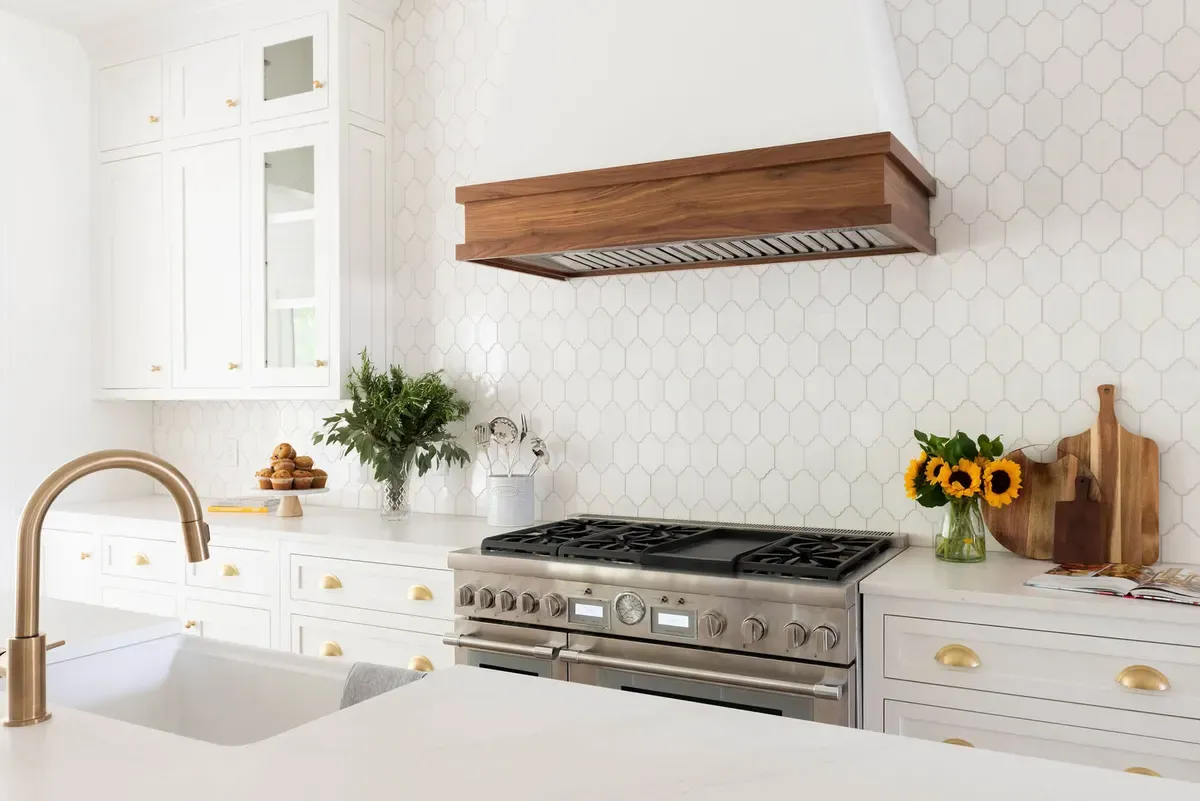
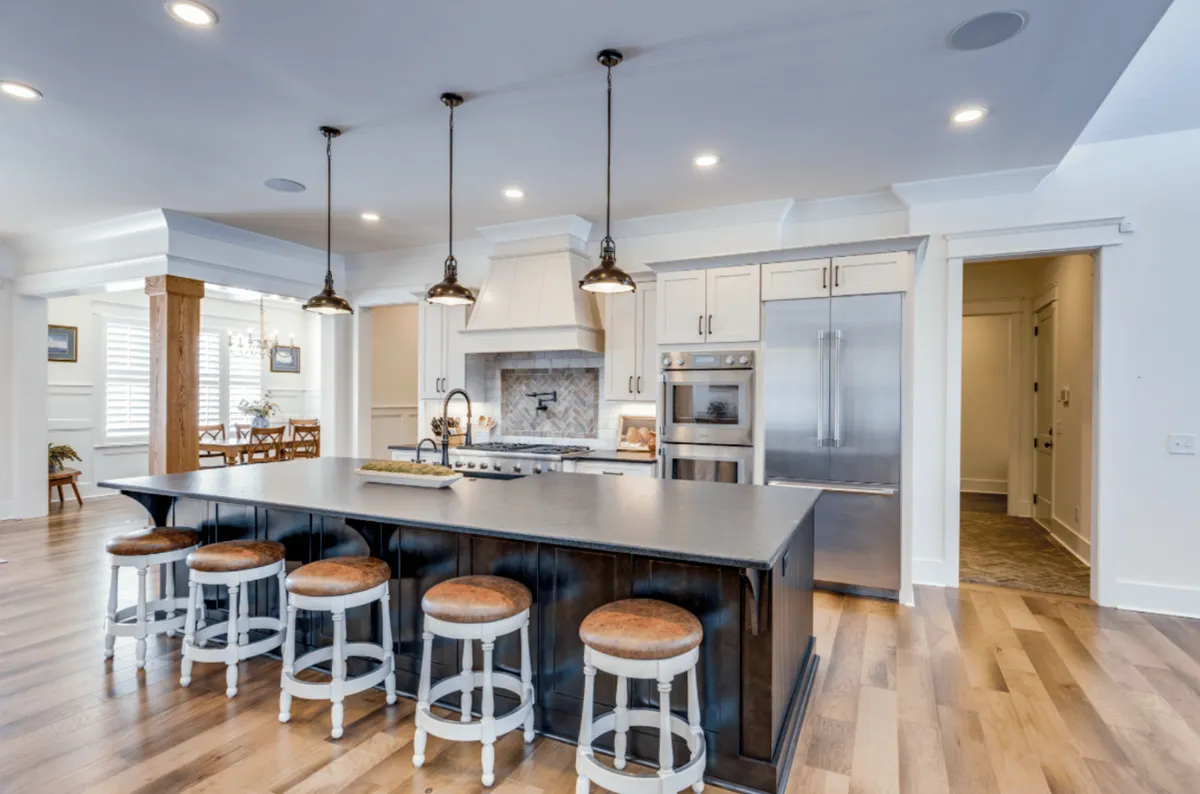
Renderings and portfolio photographs are a starting point, not evidence. Ask to walk through at least one completed home and, if possible, one under construction. In a finished home, look at the details nobody stages: the back of a cabinet door, the alignment of tile at a corner, the way trim meets a window, the grading away from the foundation. On an active site, look for a clean, organised site, protected materials and a superintendent who can answer your questions without checking.
If you are drawn to one of the homes in our gallery or featured homes, say so when you meet us. Where an image is an architectural rendering rather than a photograph, we label it as such.
Speak to Recent Clients and to the Trades
Ask for references from the last two years, not the best projects of the last ten, and ask the clients the questions that matter: how the builder handled the first problem, how often they heard from the project manager, whether the final cost matched the proposal and why it differed, and whether they would build with the same team again. Then ask the builder which trade partners have worked with them for more than five years. Long trade relationships are a sign of a builder who pays on time and runs a predictable site, and they are the reason a schedule holds.
Decide How You Want Design and Construction to Relate
You can hire an architect first and bid the drawings to several builders, or you can work with a design-build team that carries the project from the first sketch to the keys. Separate contracts give you an independent set of eyes; design-build gives you one accountable party and construction knowledge in the room while the design is still changing. If you already have an architect or designer, a good builder will join the team rather than ask you to start over. We work either way, and we are glad to meet with your architect before the first drawing is finished.
Set a Timeline You Can Believe
A realistic custom-home schedule in Williamson County includes time for design, engineering, plan review and permitting before any ground is broken, and the permitting stage varies by jurisdiction. Ask a builder to show you a schedule for a recently completed home, including the pre-construction months, and compare it with what they are promising you. A builder who commits to a start date before plans are complete and the permit is in hand is guessing. Our article on what to expect during a luxury remodel describes how we sequence decisions so the schedule holds.
Agree the Communication Before You Sign
Most disappointments in custom building are communication failures rather than construction failures. Before you sign, agree in writing who your single point of contact is, how often you will receive a written update, how selections and decisions will be tracked, and how a change is documented and approved before the work is done. Then ask to see the system they use. A builder with a real process will be glad to show it.
Ask What Happens After the Keys
Ask what the warranty covers, for how long, and who you call in year two. Warranty coverage depends on the project and its components, and a good builder reviews it with you at closeout rather than leaving you to find a document later. The relationship should not end at the keys, and the clients you spoke to will have told you whether it did.
Frequently Asked Questions About Choosing a Builder in Williamson County
Who issues building permits in Williamson County, Tennessee?
It depends on where the lot is. The Williamson County Department of Building Codes permits and inspects building in the unincorporated areas of the county, and the cities of Franklin, Brentwood, Fairview, Nolensville, Spring Hill and Thompson's Station handle building inside their own limits. Your builder should be able to tell you which office applies to your parcel before you commit to a design.
How do I check whether a Tennessee builder is licensed?
Use the Tennessee Department of Commerce and Insurance's public licence search, which shows the licence classification, its monetary limit and its status. A licence is required for a prime contractor on any project of twenty-five thousand dollars or more, so a custom home builder should always hold one.
Is cost-plus or fixed-price better for a custom home?
Neither is better in every case. Fixed-price is simplest to compare when the drawings and specifications are complete and you do not expect to change your mind. Cost-plus suits projects where decisions will be made during construction and you want the actual costs to be visible. What matters most is that the proposal shows scope, allowances, exclusions and the way changes are priced.
How many builders should I meet before choosing one?
Two or three serious conversations are usually enough, provided you walk through completed homes and speak to recent clients for each. Meeting more builders than that tends to produce proposals that are not comparable, because each will have scoped the project a little differently.
Can I use my own architect with a design-build firm?
Yes. A design-build firm should be willing to work with the architect or designer you have already chosen, and to join the design process early so construction knowledge informs the drawings. Ask how they have handled that arrangement on past projects.
Choosing Well Is the Decision That Shapes Everything Else
The right builder for Williamson County is one who knows your jurisdiction, holds a licence and insurance you have checked yourself, prices the work in a way you can compare, shows you completed homes and recent clients, and tells you honestly how long the project will take. If that is the kind of conversation you want to have, request a complimentary consultation with Jonathan Knudsen. It lasts 30 minutes, covers your lot, your home and your timing, and carries no obligation. Request a Complimentary Consultation
Explore More
Our Services
About the author

Founder and CEO, Inspiration Homes
Jonathan Knudsen is the Founder and CEO of Inspiration Homes, LLC, a custom luxury home building and remodeling firm established in 2022. A licensed general contractor with more than 25 years of experience in remodeling and property management, Jonathan is dedicated to exceptional craftsmanship and client satisfaction. He holds an MBA from Marquette University and leads with a strong commitment to quality, integrity, and personal service.
More about Jonathan